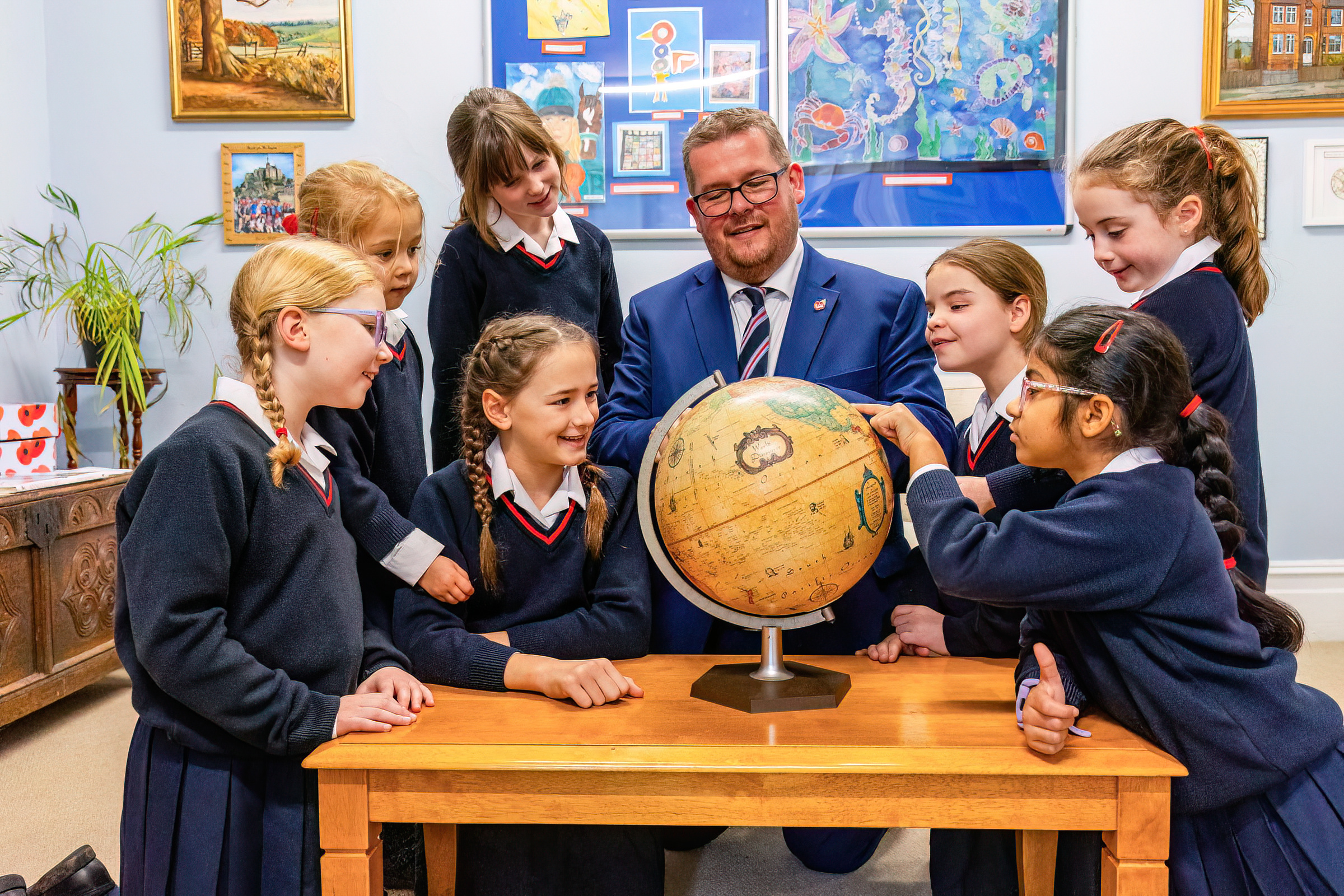


Hertfordshire offers families a wide choice of independent schools, from small nurseries and pre-preps to prep schools and large all-through schools that take children from three to eighteen. That choice is a good thing, but it can make the first step feel harder than it should. This guide is written for parents at the very beginning of the process. It explains how independent education in the county is structured, what to look for at each age, and how to compare schools fairly, so that you can draw up a shortlist with confidence.
We are St Hilda’s, an independent girls’ school in Harpenden for children aged two to eleven. We have written this guide because these are the questions parents ask us every week, and we would rather you chose the right school than simply chose us.
How is independent education in Hertfordshire structured?
Independent schools in Hertfordshire broadly fall into four types, and knowing the difference makes the rest of your research much easier.
- Nurseries and pre-schools take children from as young as two, sometimes earlier. Some are standalone settings; others are part of a school, which can make the move into Reception smoother.
- Pre-prep schools usually cover Reception to Year 2 (ages four to seven), often with a nursery attached.
- Prep schools traditionally run to eleven or thirteen. In Hertfordshire, most children move to senior school at eleven, because that is when most local senior schools, both state and independent, take their main intake.
- All-through schools take children from nursery or Reception right through to sixth form, so there is no transfer at eleven.
None of these is better than the others. The right structure depends on your child and on how much you value continuity against the chance to choose a senior school once you know your child well.
What should I look for at two, four and seven?
The most common entry points into independent primary schools in Hertfordshire are nursery, Reception and Year 3. Each asks a slightly different question of you as a parent.
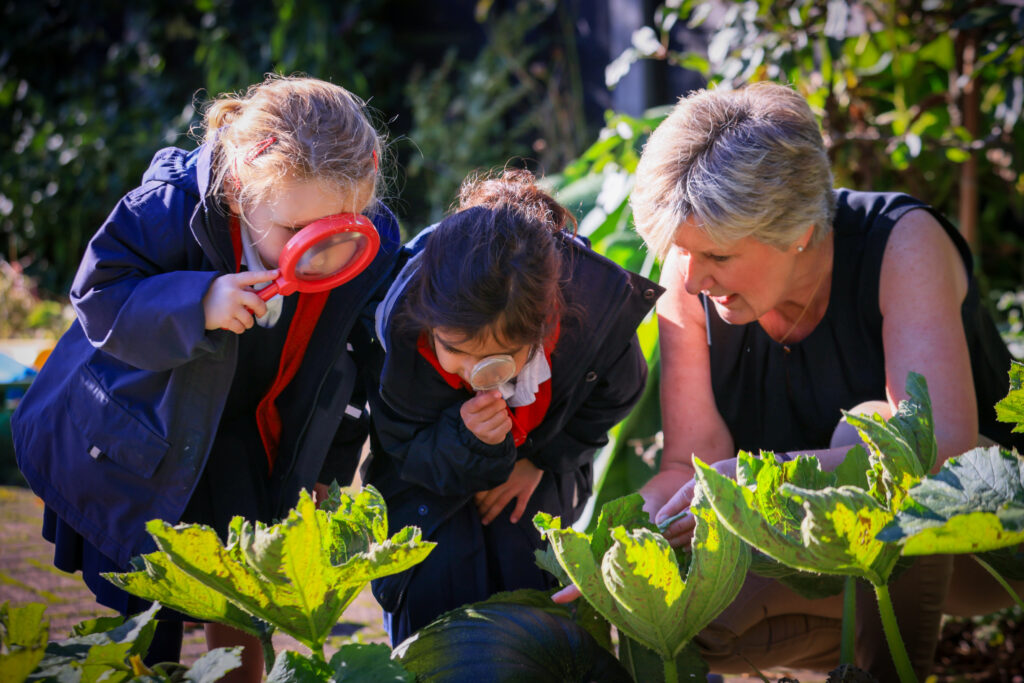
At two or three (nursery). Look for warmth first. Ask who your child’s key person will be, how the day is structured, and how much time is spent outdoors. Check practical points too: session times, wraparound care and whether government-funded early years hours can be used.
At four (Reception). Reception is the start of formal schooling, so ask how reading and early maths are taught, how big the classes are, and how teachers make sure each child is stretched without being rushed. If your child is moving from a nursery within the same school, ask how the two settings work together.
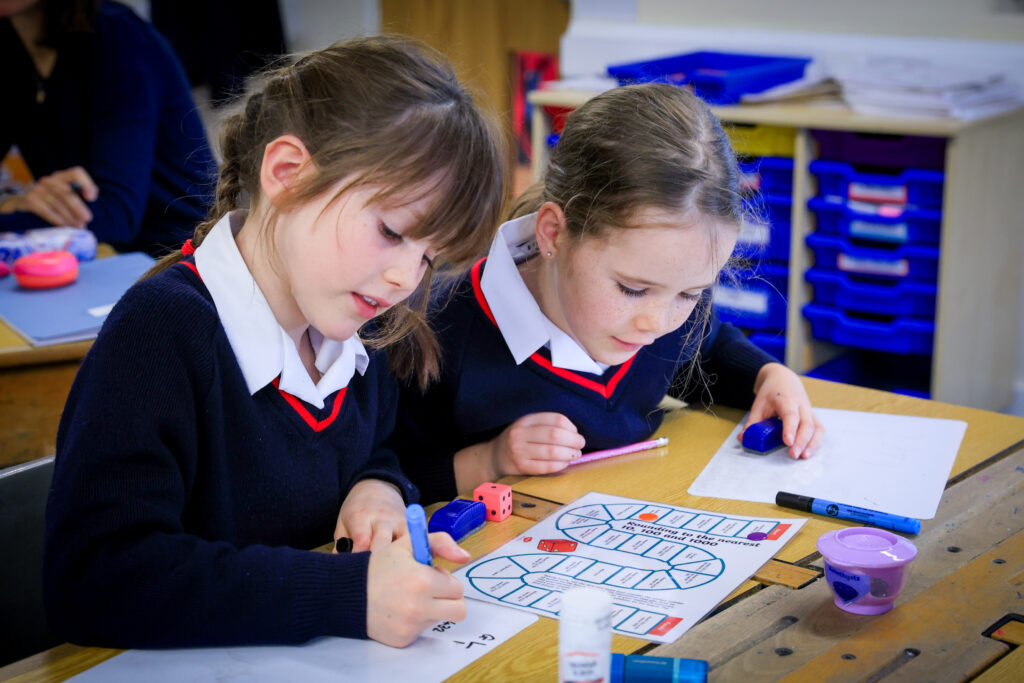
At seven (Year 3). Year 3 is a natural point to join one of the many Hertfordshire independent prep schools. By now, specialist teaching in subjects such as music, languages, sport and the arts becomes more important, as does the school’s approach to preparing children for senior school entry later on.
Single-sex or co-educational: which is right for my child?
This is one of the first decisions many families make, and there are good schools of both kinds across the county.
Co-educational schools reflect the mix of the wider world, keep siblings together and suit many children very well. Single-sex schools give children space to develop confidence without the social pressures that can come with a mixed classroom; in a girls’ school, for example, every leadership role, team place and lead in the school play goes to a girl. Some parents also find that single-sex primary education gives their daughter a strong sense of self before the move to senior school, whichever type of senior school that turns out to be.
The honest answer is that the individual school matters more than the label. Visit both kinds if you are unsure, and watch how the children behave when they are not performing for visitors.
How do independent school fees work?
Fees vary widely across Hertfordshire, so compare like with like. When you look at a fees page, check what is included. Some schools include lunches, books, stationery, group music lessons and school photography in the termly fee; others charge for them separately. Trips, individual instrument lessons, speech and drama lessons and wraparound care are usually extra.
Since January 2025, fees for school-age pupils have included VAT, so check whether the figures you are comparing are quoted with or without it. For younger children, ask how government-funded early years hours are applied, as arrangements differ from school to school. You can see what is included at St Hilda’s on our fees page.
What happens at eleven? The 11+ and senior school transfer in Hertfordshire
If you choose a school that finishes at eleven, the move to senior school is a significant part of the journey, and it is worth asking about it from the very first visit.
Hertfordshire’s state secondary schools are largely comprehensive, although some select part of their intake, and many independent senior schools set their own entrance assessments, usually during the autumn and winter of Year 6. Families in the county often look at a mix of state and independent options, and many children sit more than one assessment.
Good questions to ask a prep school include where its pupils go on to, how early the school starts talking to parents about senior schools, and how it prepares children for assessments without narrowing the curriculum. At St Hilda’s, the Headmaster meets every family during the first term of Year 5 to talk through options, and our Secondary Transfer Fayre gives parents the chance to meet senior schools in one place. You can see where our girls have gone on to on our destination schools page.
What questions should I ask on a school visit?
A visit tells you more than any prospectus or website, including this one. These questions will help you compare schools fairly:
- How big are the classes, and how well does each teacher know every child?
- Which subjects are taught by specialist teachers, and from what age?
- What does an ordinary day look like, not just an open day?
- How does the school support a child who is finding something hard, or one who needs more stretch?
- Where do pupils go on to, and how are families supported through that decision?
- What is included in the fees, and what is charged as an extra?
- What wraparound care is available, and what clubs run before and after school?
Try to talk to pupils as well as staff, and notice how children speak to each other in the corridors. A school’s atmosphere is hard to fake.
Where does St Hilda’s fit?
St Hilda’s is an independent girls’ school for children aged two to eleven, founded in 1891 and set in the heart of Harpenden. Girls can join us from Pre-Nursery at two, through Reception, Pre-Prep and Prep, until they move to senior school at the end of Form VI (Year 6).
We are a deliberately small, family-centred school. Classes are typically around eighteen girls, which means every teacher knows every child well. Wraparound care runs from 7.30am to 6pm, and more than thirty clubs run each week. Over the past six years our Year 6 girls have received 70 scholarships and awards to senior schools, across academic subjects, sport, art, drama and music.
We are not the right school for every family, and we would rather say so. If you would like your child in a co-educational setting, want one school from nursery to eighteen with no transfer at eleven, or are looking for boarding, there are other excellent schools in Hertfordshire that will suit you better. If a small, nurturing girls’ school with strong senior school destinations sounds right, we would love to meet you.